Affordable Dental Implants Near You: Tips to Cut Costs and Smile Confidently
Cleburne, United States – March 20, 2026 / Affordable Dental Marketing /
Understanding Dental Implants and Their Value
What Are Dental Implants?
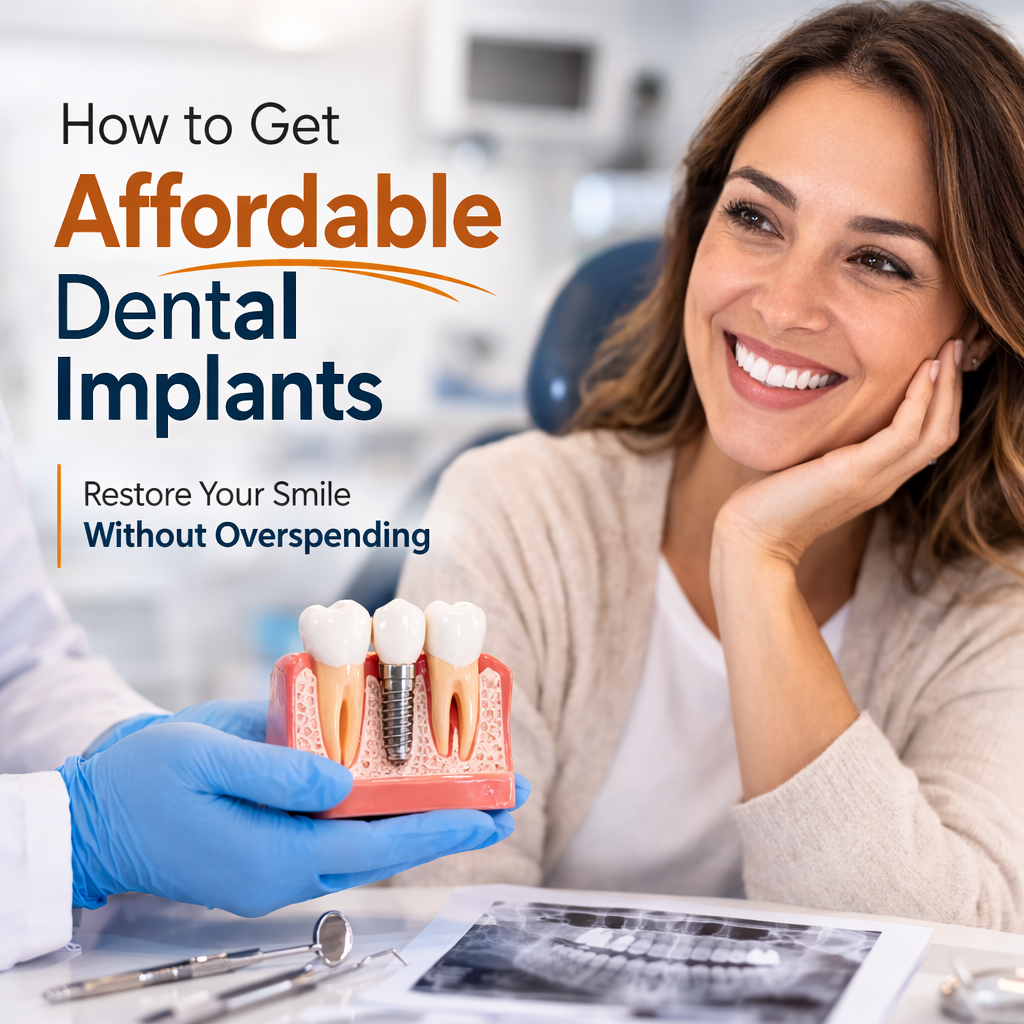
Dental implants are often described as the gold standard for replacing missing teeth—and for good reason. Imagine having a replacement tooth that feels, functions, and looks almost exactly like the real thing. That’s what implants offer. They consist of a titanium post inserted into your jawbone, acting as an artificial root, topped with a crown that mimics a natural tooth. Unlike dentures or bridges, implants don’t just sit on the surface—they integrate with your bone, creating a stable and long-lasting solution.
This integration is what makes implants so unique. Over time, the implant fuses with your jawbone through a process called osseointegration, giving it unmatched durability and strength. You can chew, speak, and smile confidently without worrying about slipping or discomfort. For many people, it’s not just about aesthetics—it’s about restoring normal life. Missing teeth can affect how you eat, speak, and even how you feel about yourself.
The growing demand for implants worldwide has also led to more clinics offering them, which is good news if you’re looking for affordable options. However, the complexity of the procedure means it requires expertise, precision, and advanced equipment. That’s why understanding what implants are—and what goes into them—is the first step to finding a cost-effective solution without sacrificing quality.
Why Implants Are Worth the Investment
Let’s be honest—dental implants aren’t cheap. But when you zoom out and look at the bigger picture, they can actually save you money in the long run. A single implant can last 20–25 years or more with proper care, while alternatives like dentures or bridges often need replacement every 5–15 years.
Think of it like buying a high-quality appliance versus a cheap one. Sure, the upfront cost is higher, but you avoid constant repairs and replacements. Implants also help preserve your jawbone, preventing the sunken facial appearance that often comes with missing teeth. That’s something dentures simply can’t do.
There’s also the confidence factor. People who get implants often report feeling more comfortable in social situations. You’re not worrying about your teeth slipping or avoiding certain foods. It’s a long-term investment in both your health and your self-esteem. When you start looking at implants this way, the goal shifts from “cheap” to “affordable and worth it,” which is a much smarter approach.
How Much Do Dental Implants Cost in 2026?
Average Cost Per Tooth
Let’s talk numbers—because that’s probably why you’re here. In 2026, the average cost of a single dental implant ranges between $3,000 and $6,000 per tooth. This typically includes the implant post, abutment, and crown. However, some clinics advertise lower prices that only cover part of the procedure, so always ask for a full breakdown.
The price can vary depending on several factors, including the clinic, the dentist’s experience, and even the materials used. Titanium implants are usually more affordable, while zirconia options can cost more due to their aesthetic appeal and newer technology. Geographic location also plays a role—urban clinics tend to charge more than rural ones.
What surprises many people is how much the cost can differ even within the same city. One clinic might quote $3,000, while another charges $5,000 for the same procedure. That’s why shopping around is essential. Don’t just settle for the first quote you get—treat it like any major purchase and compare options carefully.
Full Mouth Implant Costs
If you’re missing multiple teeth, the costs can climb quickly. Full-mouth dental implants can range anywhere from $25,000 to $95,000, depending on the technique used. Options like All-on-4 or All-on-6 implants reduce the number of implants needed, making them more cost-effective than replacing each tooth individually.
While that price tag might seem overwhelming, it’s important to remember that full-mouth implants replace an entire set of teeth permanently. Compared to ongoing denture replacements and adjustments, this can actually be a more economical choice over time.
Many clinics now offer package deals for full-mouth restorations, which can significantly reduce the per-tooth cost. It’s like buying in bulk—you pay more upfront, but you save in the long run. The key is finding a provider who offers transparent pricing and includes all necessary procedures in their quote.
Hidden Costs You Should Know
Here’s where many people get caught off guard—hidden costs. Dental implants often require additional procedures like bone grafts, extractions, or CT scans. These can add anywhere from a few hundred to several thousand dollars to your total bill.
For example, a bone graft alone can cost up to $3,000, depending on your condition. And about half of implant patients need one. That’s why it’s crucial to get a comprehensive treatment plan before committing. Ask your dentist to outline every step and cost involved.
Transparency is your best friend here. A cheap quote that excludes key procedures can end up costing more than a slightly higher all-inclusive package. Always read the fine print and ask questions—it’s your money, after all.
Smart Ways to Get Affordable Dental Implants
Compare Multiple Dental Clinics
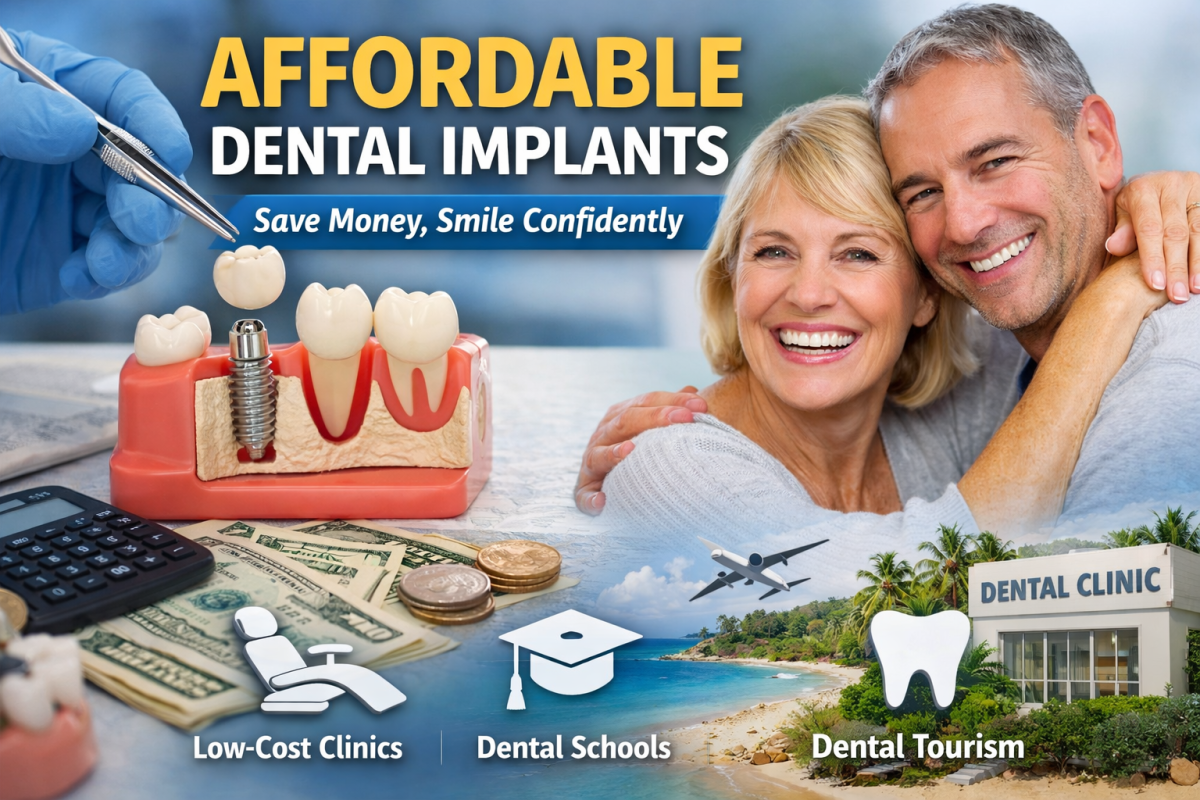
One of the simplest yet most effective ways to save money is to compare multiple clinics. Prices can vary dramatically, even within the same area. By getting at least three quotes, you can identify a fair price range and avoid overpaying.
Think of it like booking a flight—you wouldn’t just buy the first ticket you see, right? The same logic applies here. Some clinics also offer free consultations, which can help you gather information without spending extra.
When comparing clinics, don’t just look at the price. Consider the dentist’s experience, patient reviews, and the technology they use. A slightly higher price might be worth it if it means better quality and fewer complications.
Choose Dental Schools
Dental schools are one of the best-kept secrets for affordable implants. Students perform procedures under the supervision of experienced professionals, often at 30–50% lower costs.
Yes, the process might take longer, and there could be a waiting list, but the savings can be significant. For many people, this option makes implants accessible when they otherwise wouldn’t be.
The quality of care is still high because everything is closely monitored. It’s a win-win—you save money, and students gain valuable experience.
Consider Dental Tourism
Dental tourism is becoming increasingly popular, and for good reason. Countries like the Philippines offer implants at a fraction of the cost compared to the U.S. or Europe. In the Philippines, a single implant can cost around ₱75,000 to ₱200,000.
Even when you factor in travel expenses, you could still save 40–60%. However, this option requires careful planning. You need to research clinics thoroughly and ensure they meet international standards.
It’s not just about saving money—it’s about finding value. Many clinics abroad use advanced technology and offer excellent care, making this a viable option for budget-conscious patients.
Look for Payment Plans
Here’s the reality—most people don’t pay for implants upfront. In fact, around 92% of patients use financing options to make treatment more manageable.
Monthly payment plans allow you to spread the cost over time, making implants more accessible. Some clinics even offer zero-interest financing for a limited period.
This approach can turn a large expense into something that feels much more manageable. Instead of thinking, “I can’t afford this,” you start thinking, “I can budget for this.”
Affordable Dental Implants in the Philippines
Average Local Pricing
If you’re in the Philippines—or considering it—you’re in a great position to find affordable implants. The average cost ranges from ₱75,000 to ₱200,000 per tooth, depending on the clinic and complexity.
This is significantly lower than prices in Western countries, making it an attractive option for both locals and international patients. Lower operational costs and competitive pricing contribute to these savings.
However, cheaper doesn’t always mean better. It’s important to choose a reputable clinic with experienced dentists and modern equipment.
How to Find Budget-Friendly Clinics
Finding the right clinic is like finding a good mechanic—you want someone trustworthy, skilled, and transparent. Start by checking online reviews and asking for recommendations. Look for clinics that provide detailed treatment plans and clear pricing.
Don’t hesitate to ask questions about the dentist’s experience, the implant brand, and the technology used. A good clinic will be happy to answer and provide proof of their work.
Visiting the clinic in person can also give you a better sense of their professionalism and hygiene standards. Trust your instincts—if something feels off, it probably is.
Risks of Cheap Dental Implants
Low Cost vs Quality
Let’s clear something up—cheap doesn’t always mean affordable. Sometimes, it means cutting corners. Low-quality implants or inexperienced dentists can lead to complications, which can cost even more to fix later.
You might save money upfront but end up paying double for corrections. That’s why it’s crucial to balance cost and quality.
How to Avoid Bad Deals
Avoid deals that seem too good to be true. Always check what’s included in the price and verify the clinic’s credentials. Look for transparent pricing and detailed treatment plans.
A reputable clinic will prioritize your health over making a quick sale. That’s the kind of provider you want.
Best Alternatives to Dental Implants
Bridges vs Implants
Dental bridges are often cheaper upfront, costing between $1,500 and $5,000. However, they typically need replacement every 7–15 years.
Dentures vs Implants
Dentures are the most affordable option initially but require frequent adjustments and replacements. Over time, the costs can add up, making implants a better long-term investment.
Tips to Save Thousands on Implants
Timing Your Treatment
Sometimes, clinics offer discounts during certain times of the year. Keeping an eye out for promotions can help you save significantly.
Negotiating with Clinics
Yes, you can negotiate. Ask about discounts, package deals, or payment plans. Many clinics are willing to work with you to make treatment affordable.
Conclusion
Getting affordable dental implants isn’t about finding the cheapest option—it’s about finding the smartest one. By understanding costs, comparing providers, and exploring options like dental schools or financing, you can make implants accessible without compromising quality. Think of it as an investment in your future self—one that pays off every time you smile, eat, and live confidently.
FAQs
1. What is the cheapest way to get dental implants?
Dental schools and dental tourism are among the most affordable options, often reducing costs by up to 50%.
2. Are cheap dental implants safe?
They can be safe if done by qualified professionals, but extremely low prices may indicate compromised quality.
3. Does insurance cover dental implants?
Most plans cover only 10–50% of the cost, and some exclude implants entirely.
4. How long do dental implants last?
With proper care, implants can last 20–25 years or more.
5. Can I pay for implants monthly?
Yes, many clinics offer financing plans that allow monthly payments.

Contact Information:
Affordable Dentist Near Me of Cleburne
1644 W Henderson St
Cleburne, TX 76033
United States
Jerri Francies
(682) 317-0796
https://dental.affordabledentistnearme.com/cleburne/new-patient/